Where to Find Pre-Loved Clothing in Singapore: A Neighbourhood-by-Neighbourhood Look
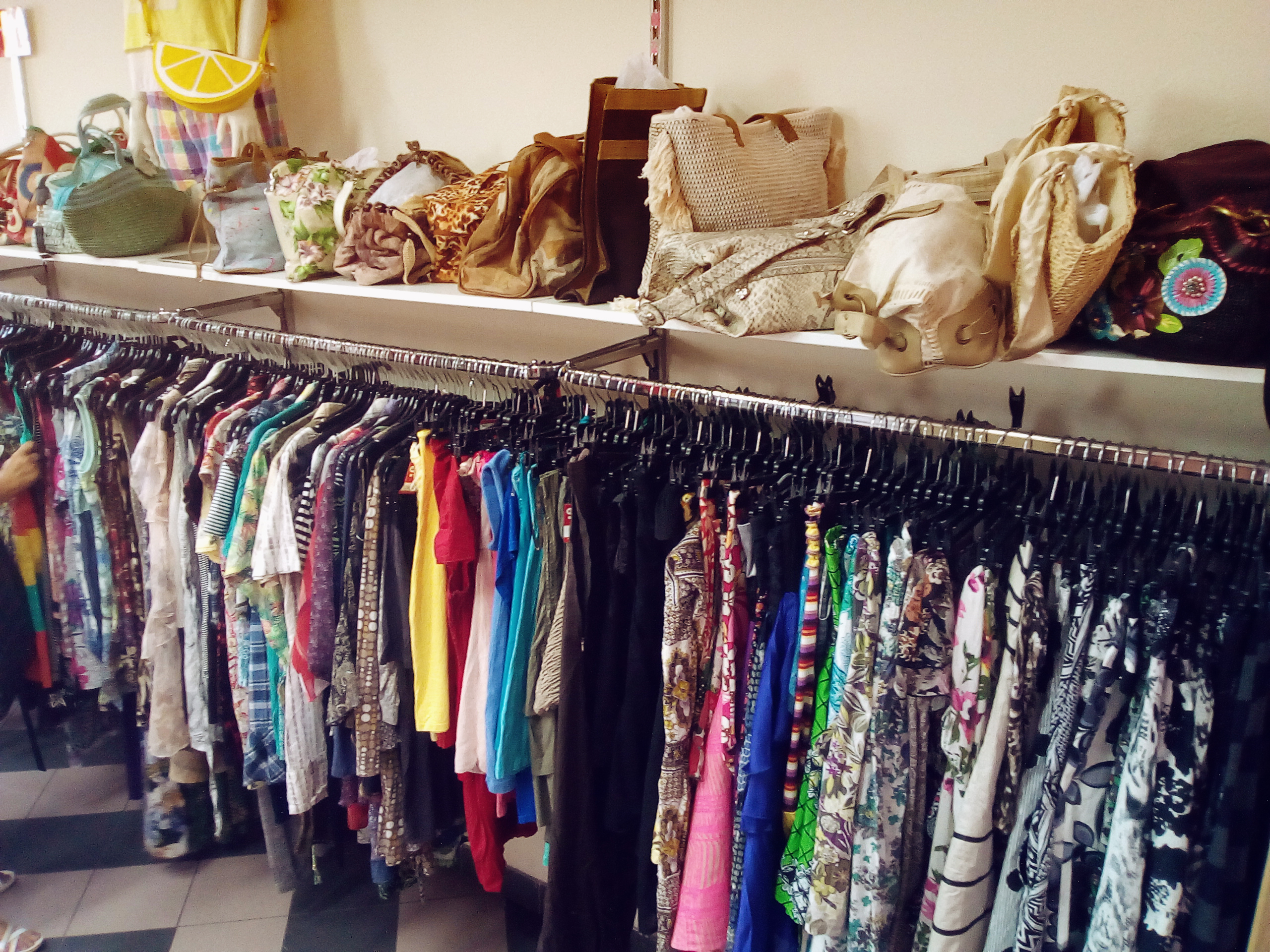
Singapore's secondhand clothing market has grown substantially over the past five years. What was once limited to a handful of charity shops and Salvation Army outlets has expanded into a network of curated vintage stores, online resale platforms, and pop-up swap events that draw hundreds of participants each month.
The shift is partly numbers-driven. According to data from the National Environment Agency, approximately 206,000 tonnes of textile waste was generated in 2024. The recycling rate remains around 3%, which means most discarded garments still end up at Semakau Landfill. Growing awareness of these figures has pushed more residents toward secondhand purchasing as a practical alternative to fast fashion retail.
Central Area: Bugis, Jalan Besar, and Little India
The Bugis-Jalan Besar corridor is the densest concentration of thrift retail in Singapore. Along Jalan Besar itself and branching side streets like Tyrwhitt Road, several independent stores operate with rotating stock sourced from local donors and overseas bales.
Pricing in this area tends to sit between $5 and $25 per garment. Items are generally sorted by type (dresses, tops, bottoms) rather than brand, though some shops maintain a premium rack for recognisable labels. Stock turnover is high due to small floor space, so regulars tend to visit weekly.
In the Little India area, a few long-standing secondhand clothing stalls operate within Mustafa Centre's vicinity and along Serangoon Road. These tend to carry more practical workwear and traditional garments alongside standard casual clothing.
Tiong Bahru and the Southern Corridor
Tiong Bahru's secondhand stores lean toward curated vintage rather than bulk thrift. Prices are higher (typically $15-$60), and shops are more selective about what they accept. The aesthetic skews toward 1980s and 1990s pieces, denim, and branded casualwear from Japanese and European labels.
These stores suit buyers looking for specific eras or silhouettes rather than bargain-hunting. Several operate by appointment or limited hours, so checking current schedules is advisable before visiting.
Orchard and Central Shopping District
Swapaholic operates a permanent Swap Shop at The Centrepoint (#02-04A), open daily from 12pm to 9pm. The model combines selling, buying, and swapping pre-loved fashion in a single retail space. Items are individually priced, and the shop accepts walk-ins for purchases without requiring a swap contribution.
REFASH, Singapore's largest secondhand fashion retailer, maintains both online and physical presence with multiple outlet locations. Their model involves consignment and outright purchase of pre-owned branded items, which are then cleaned, photographed, and resold at standardised price points.
Heartland and Suburban Options
Outside the central area, secondhand clothing is primarily accessible through:
- Salvation Army Family Thrift Stores (multiple locations including Tanglin and Bukit Timah)
- New2U Thrift Shop at Waterloo Street, operated by the Singapore Council of Women's Organisations
- Textile recycling collection boxes (Cloop's white bins accept clean, wearable items for local recirculation)
- Community centre drives and festive-season collection events
Pricing at charity-operated shops is generally lower ($2-$15 per item), though stock quality varies significantly and browsing requires patience.
Clothing Swap Events: The Rotating Market
Regular swap events have become a significant channel for clothing recirculation in Singapore. The two largest organisers are Cloop and Swapaholic, each running monthly or bi-monthly events at various venues.
Cloop Fashion Swap Format
Participants pay $35 individually (or $30 per person for groups) and bring 5-10 clean, good-condition items. They can then swap for up to 10 items from the curated selection. Walk-ins who have nothing to swap can purchase at the accompanying Open Wardrobe at $10 per item.
Cloop also operates permanent Open Wardrobe locations at their sorting facility at Kembangan Chai Chee Community Hub (11 Jalan Ubi) and at Singapore Zoo area (20 Mandai Lake Road), open on weekdays.
Swapaholic Events
Swapaholic runs larger-scale events at venues like Capitol Building, The Centrepoint, and community spaces. Their format includes both swap sessions and preloved fashion parties with DJs and panel discussions on circular fashion. They also organise family-oriented swap parties targeting participants aged 15-35.
Online Resale Channels
Carousell remains the dominant peer-to-peer resale app in Singapore for clothing. Dedicated categories for women's, men's, and children's pre-loved fashion generate thousands of daily listings. Average selling prices for mainstream brands sit between $5-$30.
REFASH operates an online store alongside physical locations, offering curated secondhand items with professional photography and standardised sizing information. They run regular promotions, with sitewide discounts reaching 30-40% during seasonal sales.
Facebook Marketplace and dedicated swap groups (particularly for children's clothing) also facilitate significant volumes of informal textile recirculation between residents.
Practical Considerations for Buyers
- Check seams, zippers, and buttonholes before purchasing - repairs on pre-loved items can exceed the purchase price
- Natural fibres (cotton, linen, silk) from older garments often have tighter weaves and better durability than equivalent new fast-fashion pieces
- Wash all secondhand purchases before wearing, regardless of apparent cleanliness
- For swap events, bring items that meet stated quality criteria - organisers reject visibly worn, stained, or damaged pieces
- Vintage denim from the 1990s and earlier typically uses heavier-weight fabric (12-14oz vs modern 8-10oz), which affects comfort in Singapore's climate
The secondhand fashion landscape in Singapore continues to develop rapidly, with new retail concepts, pop-up formats, and collection infrastructure appearing regularly. For residents interested in reducing textile waste while maintaining wardrobe variety, the options available in 2026 represent a significant expansion from even three years prior.
Related reading: Fabric Care in Tropical Humidity | Reading Textile Eco-Labels
External references: NEA Waste Statistics | Towards Zero Waste SG