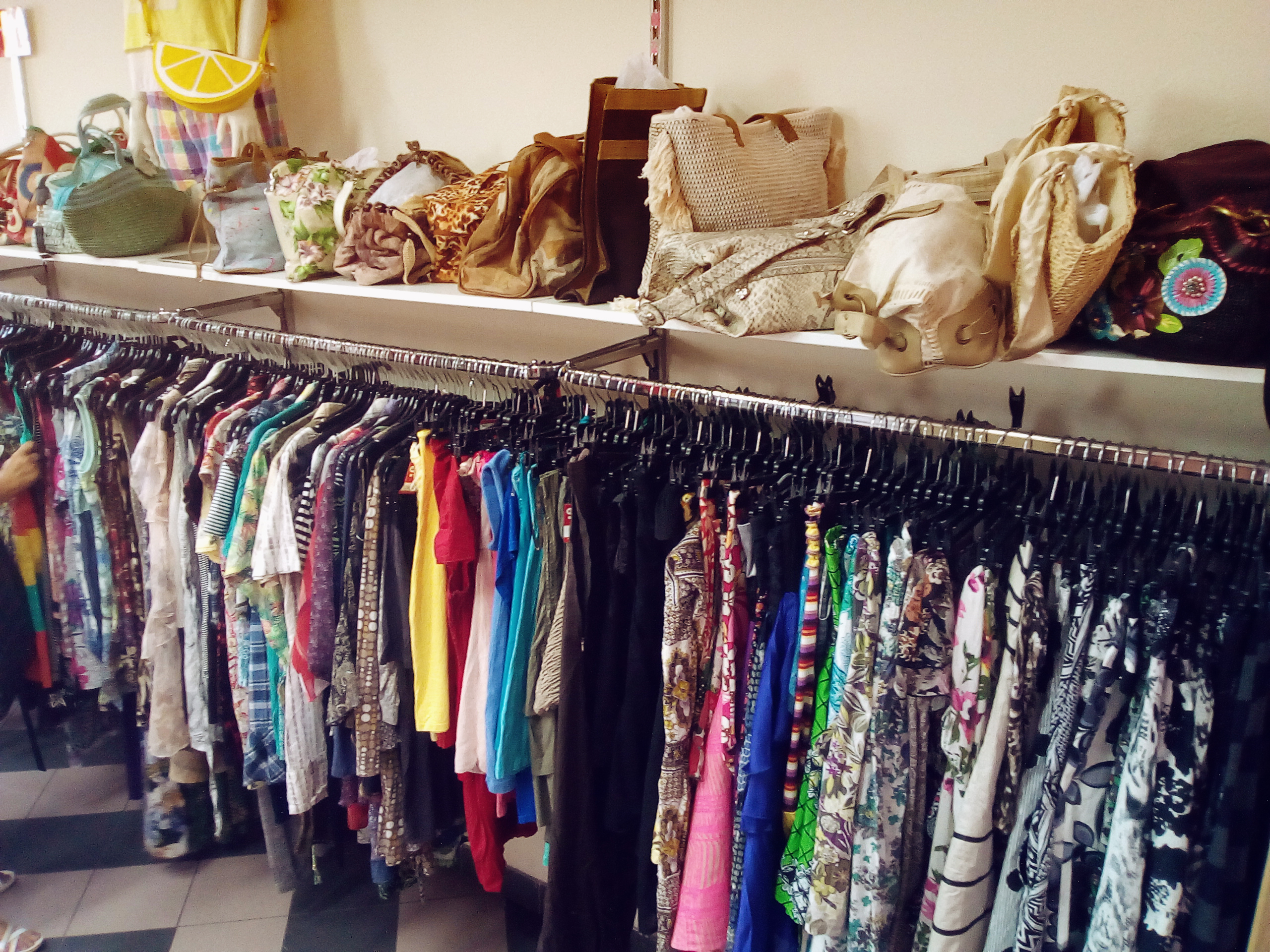
Where to Find Pre-Loved Clothing in Singapore: A Neighbourhood-by-Neighbourhood Look
From Jalan Besar thrift clusters to curated vintage spaces in Tiong Bahru, a detailed mapping of secondhand fashion across Singapore's districts.
Practical information on pre-loved clothing, garment care in high-humidity conditions, swap events across the island, and making sense of eco-certifications on textile labels.
In-depth coverage of secondhand fashion practices, fabric longevity, and certification standards for the local context.
From Jalan Besar thrift clusters to curated vintage spaces in Tiong Bahru, a detailed mapping of secondhand fashion across Singapore's districts.

Practical approaches to washing, drying, and storing clothing in conditions of 80-90% relative humidity, with material-specific guidance.

A breakdown of OEKO-TEX, GOTS, Bluesign, and other certification marks found on clothing sold in Singapore, with practical buying context.
In 2024, Singapore discarded approximately 206,000 tonnes of textiles. Of that, only around 7,000 tonnes (roughly 3%) entered recycling streams. The remainder went to Semakau Landfill or incineration.
Multiple collection points now exist across the island, including dedicated yellow textile bins managed by ISO-accredited recycling partners, collection boxes at community centres, and periodic neighbourhood drives.
The National Environment Agency (NEA) has set targets to reduce waste-to-landfill needs by 30% by 2030, with textile diversion as a named priority area under the Zero Waste Masterplan.

Focused reference material for Singapore residents navigating secondhand and sustainable textile choices.
Location-specific details on secondhand retailers across Singapore, from charity-operated outlets to curated vintage spaces, with opening hours and pricing context.
Regular and one-off swap meetups happening around the island, including Swapaholic events at Centrepoint, Cloop Fashion Swaps, and university-organised exchanges.
Material-specific washing temperatures, drying methods suited to HDB flat conditions, mould prevention for stored garments, and iron settings by fabric type.
What OEKO-TEX Standard 100, GOTS, Bluesign, and EU Ecolabel actually test for, how to verify them, and which retailers in Singapore stock certified items.